
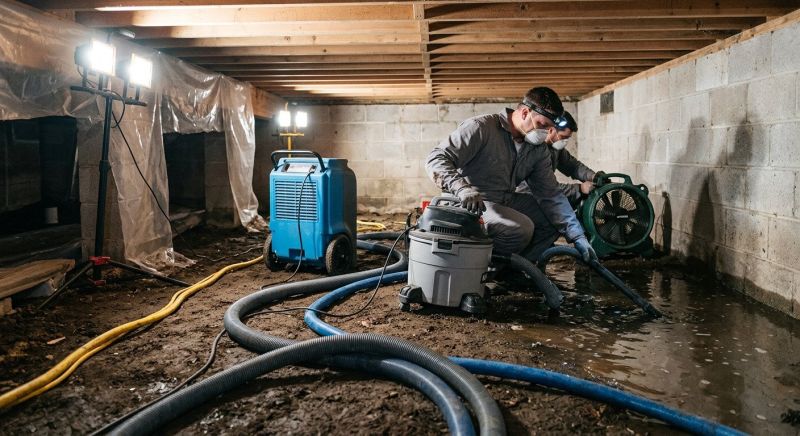
Crawlspace Water Restoration in Wilmington, NC
Crawlspace water restoration services involve addressing water intrusion and damage within the crawlspace area of a property. These projects typically include removing standing water, drying out affected surfaces, and restoring the space to prevent further issues such as mold growth, wood rot, or structural damage. Homeowners often request this service after experiencing flooding, plumbing leaks, or high humidity levels that lead to moisture buildup beneath the home. Understanding the extent of water intrusion, the sources of moisture, and the condition of the crawlspace are important factors to consider before initiating restoration work.
Property owners seeking crawlspace water restoration usually want to know how the process will be managed, what materials or equipment will be used, and the expected outcomes for their home’s safety and longevity. It’s also helpful to understand any necessary repairs or improvements that might be recommended to prevent future water issues, such as sealing vents, installing vapor barriers, or improving drainage. Clear communication about the scope of work and potential follow-up steps can help ensure the restoration process aligns with the homeowner’s needs and expectations.
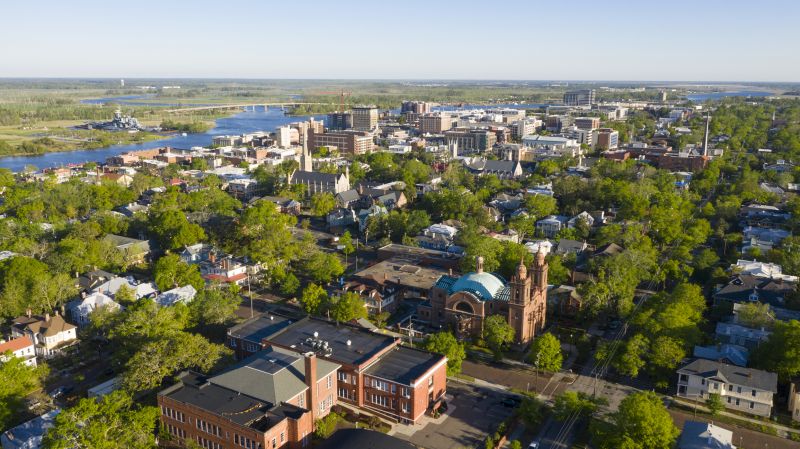
Many property owners in Wilmington, NC look into Crawlspace Water Restoration for repairs, replacements, upgrades, and appearance-related improvements.
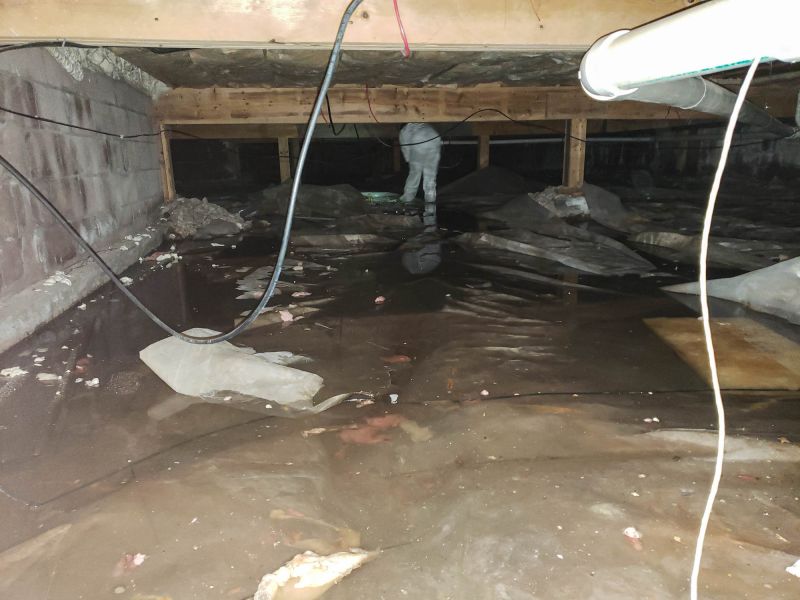
Signs Of Water Damage In Crawlspaces
Detecting moisture and mold issues early can prevent costly repairs.
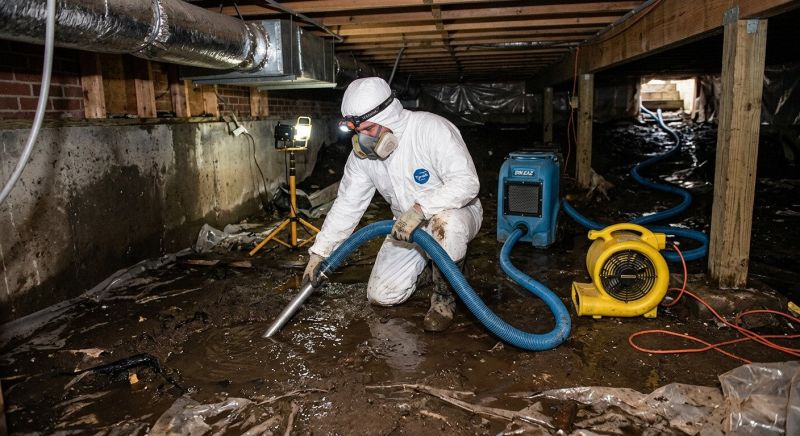
Water Restoration Techniques
Effective drying and dehumidification help restore crawlspaces after flooding or leaks.
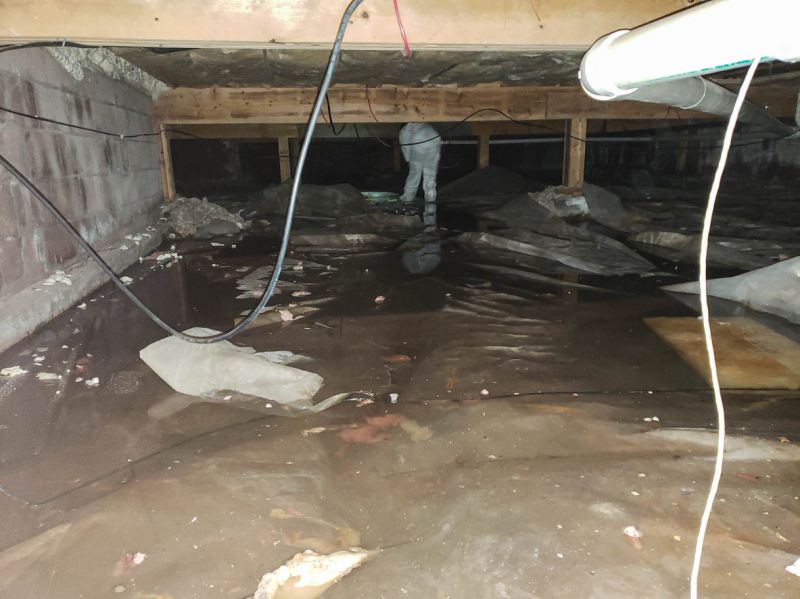
Preventative Measures For Crawlspace Health
Sealing and waterproofing can protect properties in wilmington from future water intrusion.
Crawlspace Water Restoration in Wilmington, NC
Crawlspace water restoration services involve addressing water intrusion and damage within the crawlspace area of a property. These projects typically include removing standing water, drying out affected surfaces, and restoring the space to prevent further issues such as mold growth, wood rot, or structural damage. Homeowners often request this service after experiencing flooding, plumbing leaks, or high humidity levels that lead to moisture buildup beneath the home. Understanding the extent of water intrusion, the sources of moisture, and the condition of the crawlspace are important factors to consider before initiating restoration work.
Property owners seeking crawlspace water restoration usually want to know how the process will be managed, what materials or equipment will be used, and the expected outcomes for their home’s safety and longevity. It’s also helpful to understand any necessary repairs or improvements that might be recommended to prevent future water issues, such as sealing vents, installing vapor barriers, or improving drainage. Clear communication about the scope of work and potential follow-up steps can help ensure the restoration process aligns with the homeowner’s needs and expectations.
Many property owners in Wilmington, NC look into Crawlspace Water Restoration for repairs, replacements, upgrades, and appearance-related improvements.
Common Crawlspace Water Restoration Jobs
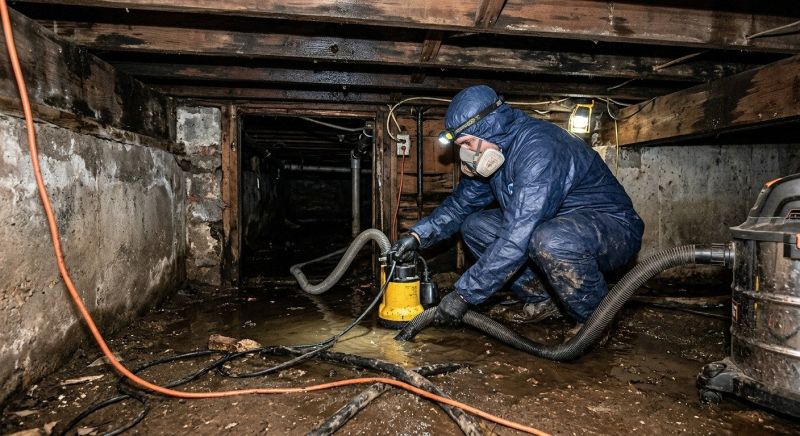
Basement crawlspace water removal - extraction of excess water to prevent mold growth and structural damage.
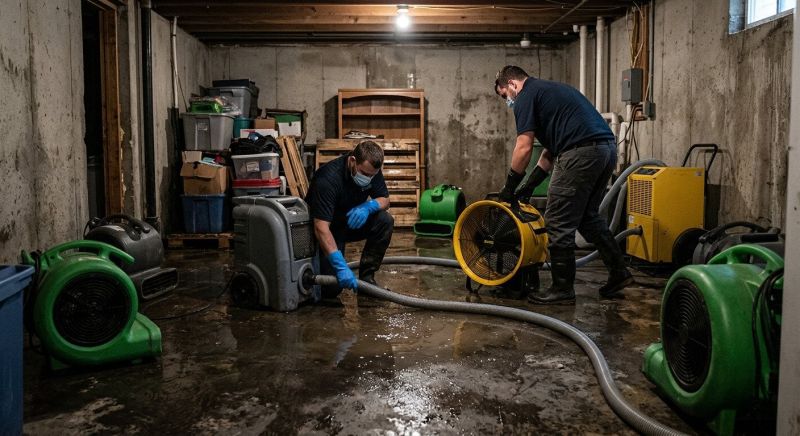
Crawlspace drying services - thorough drying of affected areas to eliminate moisture and prevent future issues.
Water damage cleanup - removal of debris and damaged materials caused by flooding or leaks.
Moisture control solutions - installation of barriers and dehumidifiers to maintain a dry crawlspace environment.
Leak detection and repair - identifying and fixing sources of water intrusion to prevent recurring problems.
Mold remediation in crawlspaces - safe removal of mold growth resulting from water exposure.
Crawlspace Water Restoration Questions
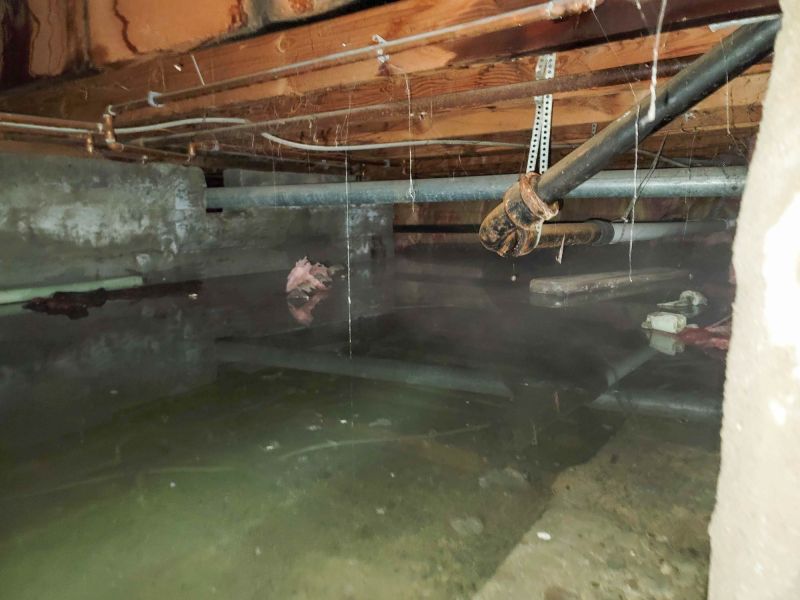
What causes water in a crawlspace? Water can enter due to heavy rainfall, high humidity, poor drainage, or plumbing leaks beneath the home.
How can water damage be prevented in a crawlspace? Proper drainage, vapor barriers, and sealing foundation cracks help reduce water intrusion and moisture buildup.
What are the signs of crawlspace water issues? Signs include musty odors, mold growth, visible water or dampness, and wood rot or warping.
What steps are involved in water restoration for a crawlspace? The process typically includes water removal, drying, moisture control, and addressing the source of water entry.
Request Crawlspace Water Restoration in Wilmington, NC
Use the quote form on this page to share the basics of your project and request more information for the type of work you need.