
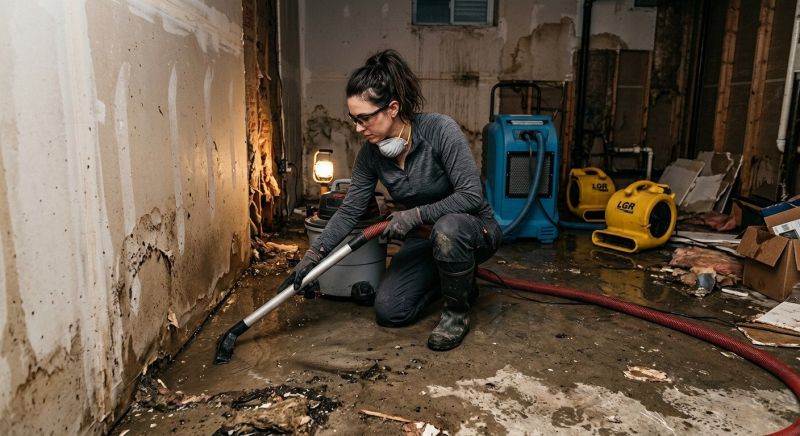
Water Damage Mitigation in Wilmington, NC
Water damage mitigation services involve the assessment, removal, and drying of water-affected areas within a property to prevent further damage and mold growth. These services typically cover projects such as flooding from storms, burst pipes, appliance leaks, or sewage backups. Property owners often seek mitigation to address immediate water intrusion, minimize structural damage, and prepare the space for repairs or restoration. Understanding the extent of water intrusion, the types of water involved, and the urgency of response are common concerns before requesting mitigation services.
Homeowners and property owners should know that effective mitigation involves prompt action to extract standing water, dry affected materials, and prevent secondary issues like mold development. It is important to consider the scope of the damage, whether it affects only certain areas or the entire property, and to communicate any specific concerns about sensitive materials or valuables. Clarifying these details can help ensure the mitigation process addresses the specific needs of the property and sets the stage for successful restoration.
Many property owners in Wilmington, NC look into Water Damage Mitigation for repairs, replacements, upgrades, and appearance-related improvements.
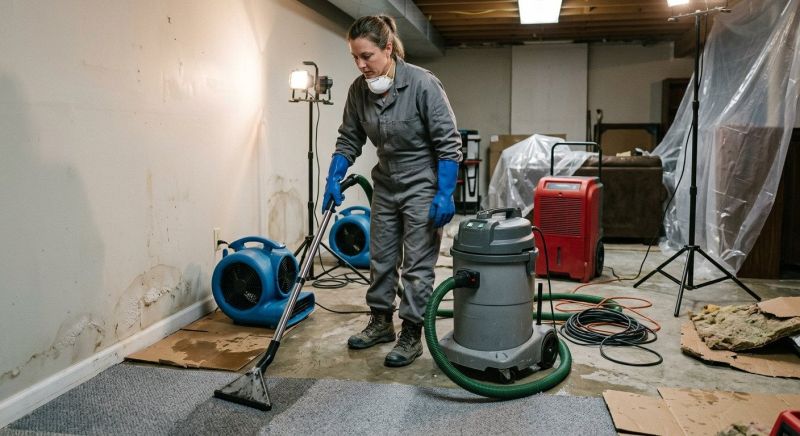
Water Damage Assessment
Identifying the extent of water intrusion to determine necessary mitigation steps.
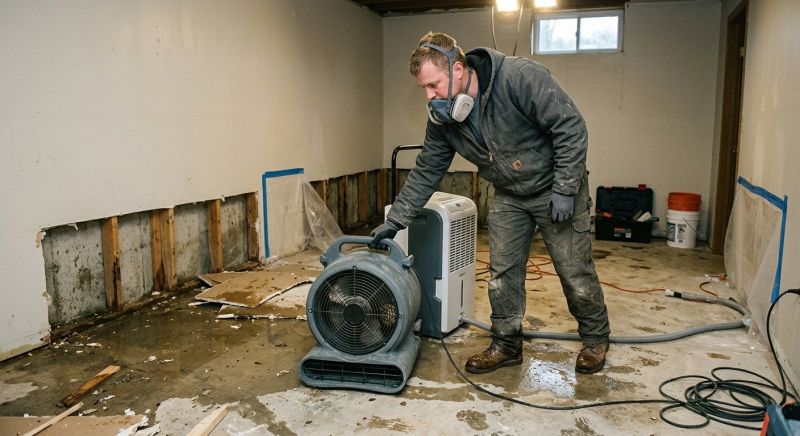
Drying And Dehumidification
Removing excess moisture from affected areas to prevent mold growth and structural damage.
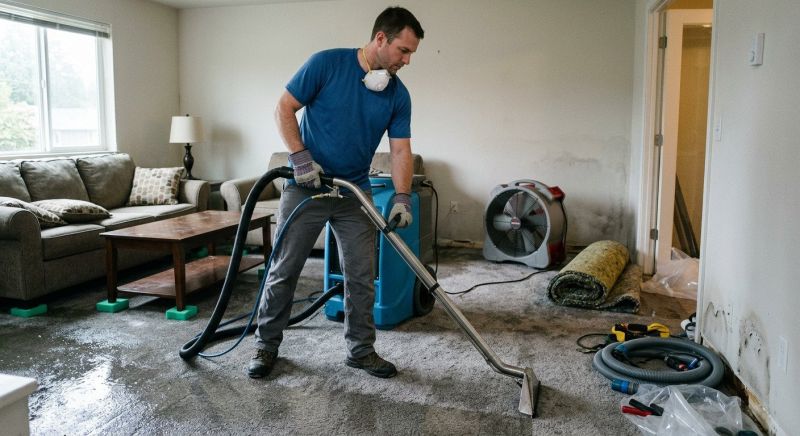
Structural Drying And Repair
Restoring damaged building components to ensure safety and stability after water exposure.
Water Damage Mitigation in Wilmington, NC
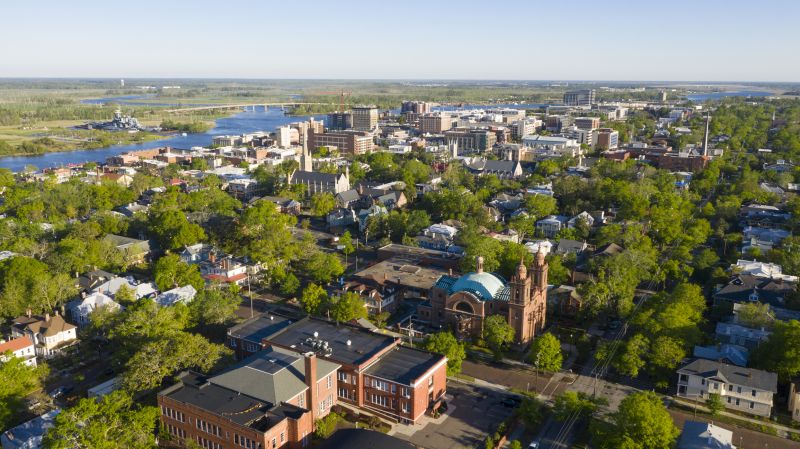
Water damage mitigation services involve the assessment, removal, and drying of water-affected areas within a property to prevent further damage and mold growth. These services typically cover projects such as flooding from storms, burst pipes, appliance leaks, or sewage backups. Property owners often seek mitigation to address immediate water intrusion, minimize structural damage, and prepare the space for repairs or restoration. Understanding the extent of water intrusion, the types of water involved, and the urgency of response are common concerns before requesting mitigation services.
Homeowners and property owners should know that effective mitigation involves prompt action to extract standing water, dry affected materials, and prevent secondary issues like mold development. It is important to consider the scope of the damage, whether it affects only certain areas or the entire property, and to communicate any specific concerns about sensitive materials or valuables. Clarifying these details can help ensure the mitigation process addresses the specific needs of the property and sets the stage for successful restoration.
Many property owners in Wilmington, NC look into Water Damage Mitigation for repairs, replacements, upgrades, and appearance-related improvements.
Common Water Damage Mitigation Jobs
Water extraction - removing standing water to prevent further damage and mold growth.
Structural drying - thoroughly drying affected areas to restore stability and prevent warping.
Mold prevention - implementing measures to inhibit mold development after water intrusion.
Damage assessment - evaluating the extent of water damage to determine necessary repairs.
Content drying - restoring wet belongings and furnishings impacted by floodwaters.
Leak repair - fixing sources of water intrusion to prevent future damage.
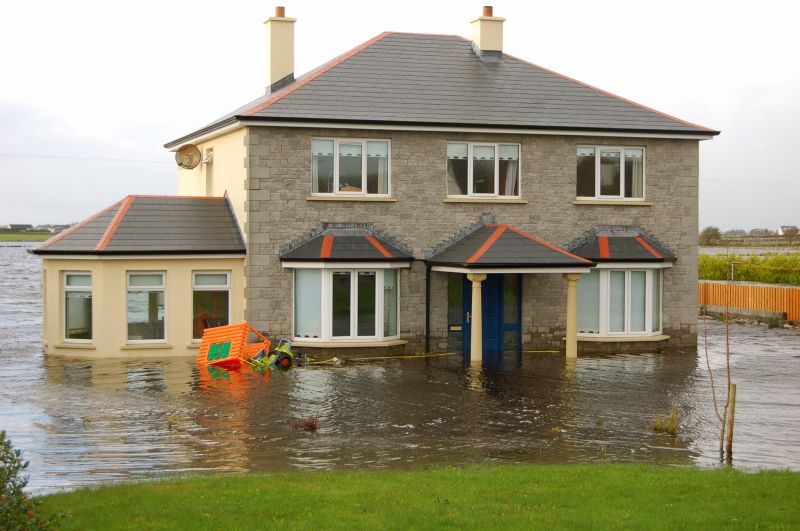
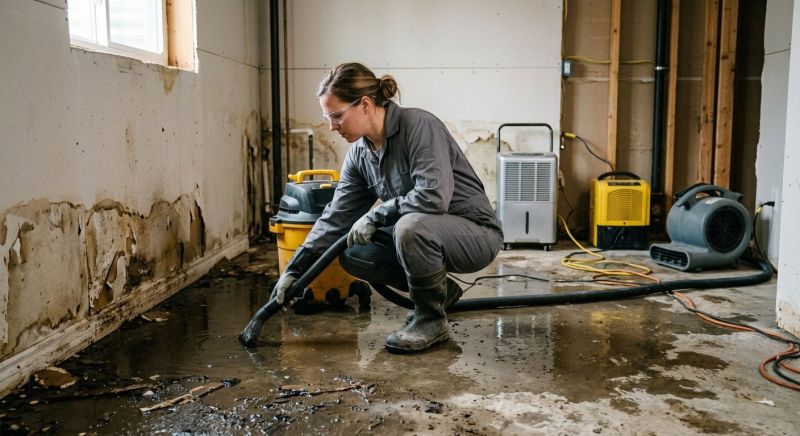
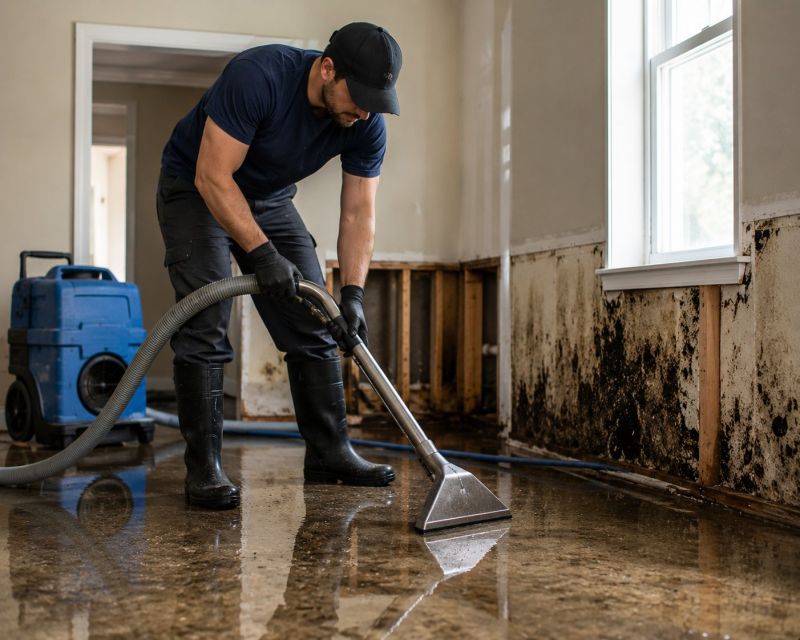
Water Damage Mitigation Questions
What is water damage mitigation? It involves removing excess water, drying affected areas, and preventing further damage after a leak or flood.
When should water damage mitigation be performed? It should be done promptly after water intrusion to reduce the risk of mold growth and structural issues.
What types of water damage are addressed? Services cover damage caused by leaks, flooding, burst pipes, and appliance overflows.
What areas are typically treated during mitigation? Commonly affected areas include flooring, walls, ceilings, and insulation that have been exposed to water.
Request Water Damage Mitigation in Wilmington, NC
Use the quote form on this page to share the basics of your project and request more information for the type of work you need.